Questions and Answers
Planet Jupiter - astronomy questions
1.
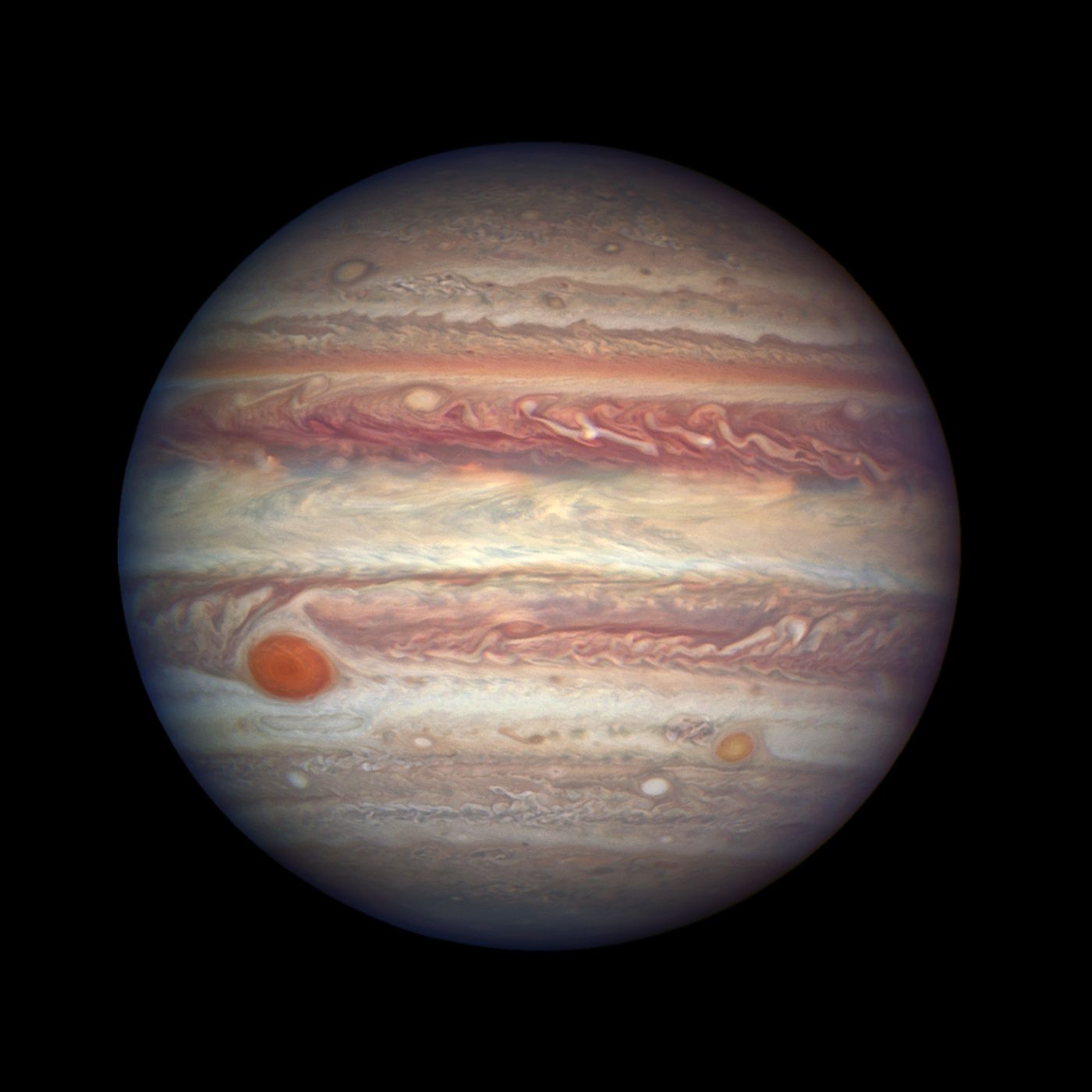
no
2.
Jupiter composition is about 90% of .... and 10% of ....
3.
The first person to actually view Jupiter in a telescope was?
Galileo
4.
Jupiter was discovered in year:
1610
5.
In the 1660s, .... used his telescope to discover spots and bands across the surface of Jupiter, and was able to estimate the planet’s rotational period.
6.
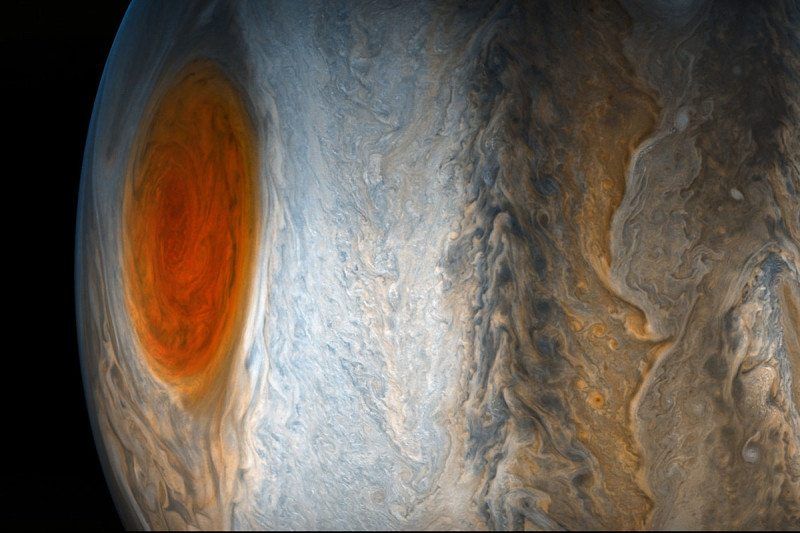
7.
The mass of core is .... earths, and the planet itself is .... times mass of Earth.
8.
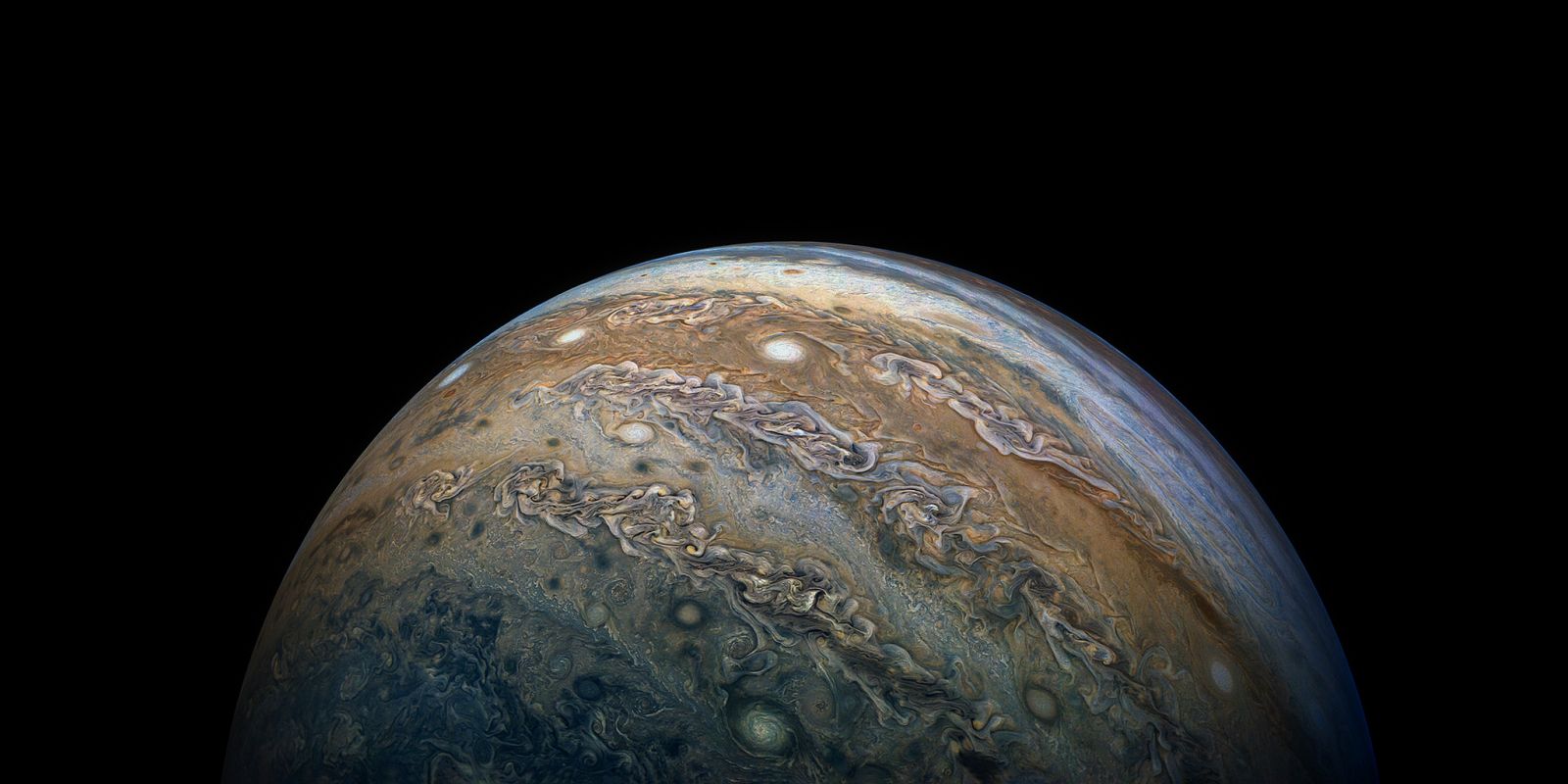
it's close to the density of water, metallic core not possible, it has frozen ammonia surface under layers of clouds
9.
The color of Jupiter is not really red. It has white and .... regions on the surface. Jupiter is mostly made of hydrogen and helium, both of which are ..... The surface colors are due to different kinds of .... found in clouds in the atmosphere.
10.
What is at the very center of jupiter?
rocky core
11.
What comet struck jupiter providing information about impacts?
Shoemaker-Levy 9
12.
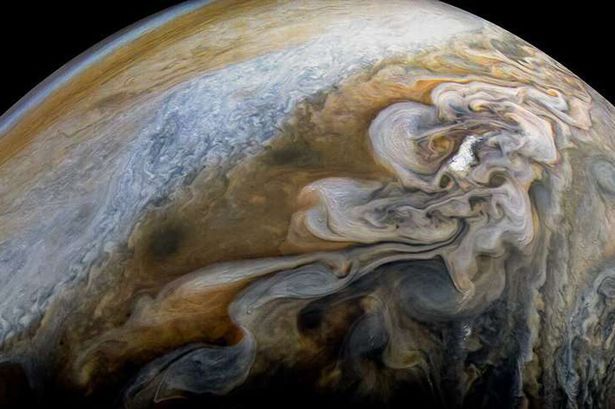
13.
4 largest Jupiter's mooon are called:
Galilean moons
14.
What is the largest moon out of Jupiter's moons?
Ganymede
15.
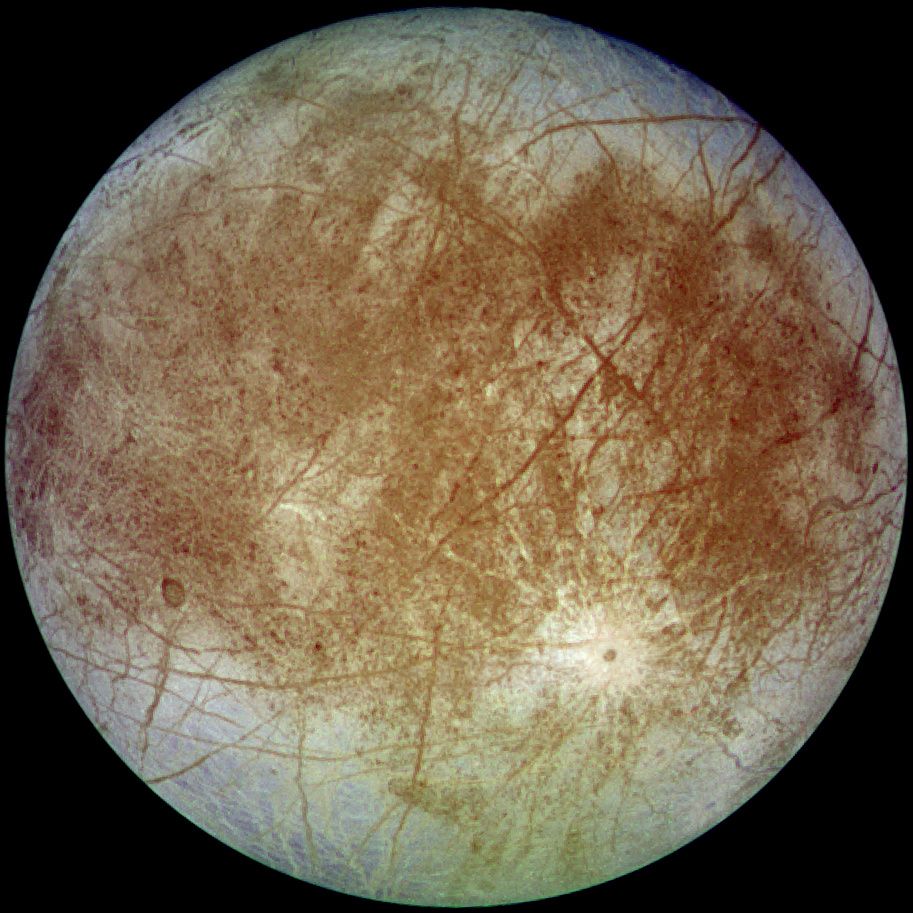
Europa
16.
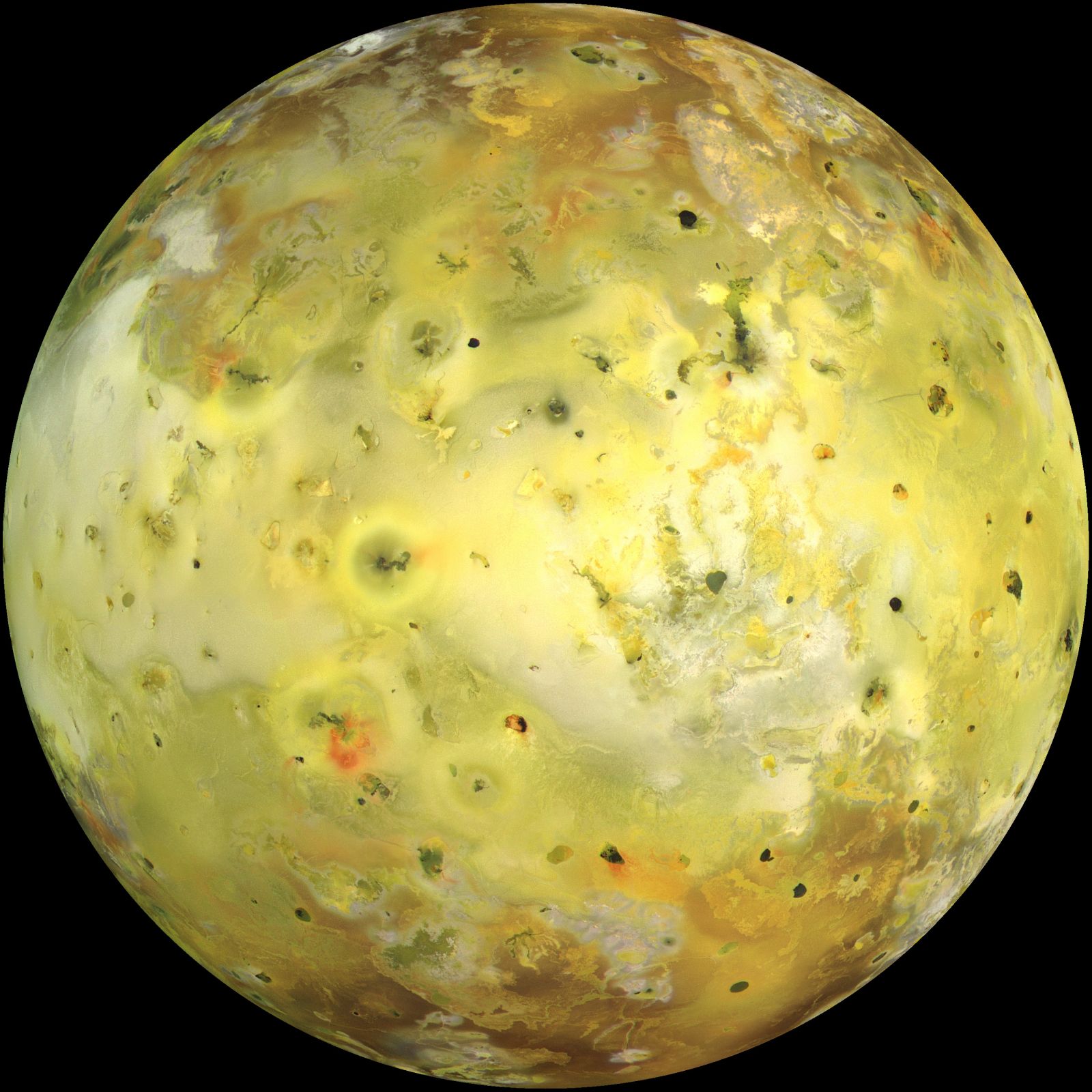
Io
17.
Jupiter's mass is .... times that of all the other planets in the Solar System combined.
18.
Jupiter has the largest planetary atmosphere in the Solar System, spanning over
5,000 km
19.
Jupiter's magnetic field is .... times as strong as that of Earth.
20.
The average distance between Jupiter and the Sun is:
5.2 AU