Questions and Answers
Class 6, Chapter 1 - What, where, how and when? | NCERT
1.
When did people start to grow crops on the hills of Sulaiman and Kirthar?
about 8000 years ago
2.
First place where rice was grown was:
north of the Vindhyas
3.
Smaller rivers that flow into larger river are called:
tributaries
4.
When did the first cities on the Indus emerge?
4700 years ago
5.
When did the first cities along sea coasts emerge?
about 2500 years ago
Match the following:
6.
Rigveda
earliest composition in Sanskrit
7.
manuscript
book written by hand
8.
Ashoka
ruler of the Maurya Empire
9.
cartouche
frame enclosing ancient Egypt ruler name
10.
Magadha
area located south of the Ganga river
11.
Select two crops that people started growing at the earliest.
wheat, barley
12.
Where did people live in prehistoric India?
River Narmada banks, Sulaiman and Kirthar Hills, Garo Hills, Vindhyas, River Indus and its tributaries, River Ganga and River Son
13.
Who were nomadic people?
people that did not live in permanent settlements
14.
What is the most significant Ganga tributary where people settled about 2500 years ago?
Son
15.
How did people living in north-west of India called their land?
Bharat
16.
Travelers from which countries gave the country name India?
Iran, Greece
Which statements are correct?
17.
Name Bharat comes from Bharatha.
True
18.
Coins can be a source of historic information.
True
19.
The early manuscripts were carved in stone slabs.
False
20.
Which type of historical information is more durable?
inscription
21.
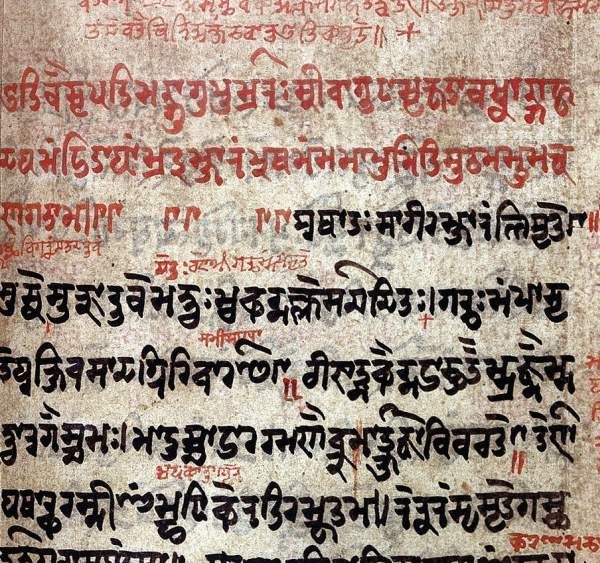
Sanskrit, Prakrit, Tamil
22.
When and where were the first coins made?
They were developed in Greece about 600 BC.
23.
What information can we usually gather from coins?
name of the ruler
24.
How do we call sites from which we can extract historical remains?
archeological sites
25.
How do we mark the dates after the birth of Christ?
AD, CE
26.
How do we mark the dates before the birth of Christ?
BC, BCE
27.
What does AD stand for?
Anno Domini